In today’s digital world, most businesses use both websites and social media platforms to reach customers. However, many business owners still confuse their roles or rely heavily on one while neglecting the other.
While both are powerful digital tools, they serve different purposes. Understanding how they work—and how they complement each other—can significantly improve your marketing, credibility, and business growth.
"Social media can disappear, But your website is your own. Don’t just rent space on social platforms. Own your corner on the internet.
Community Consensus
What is a Website?
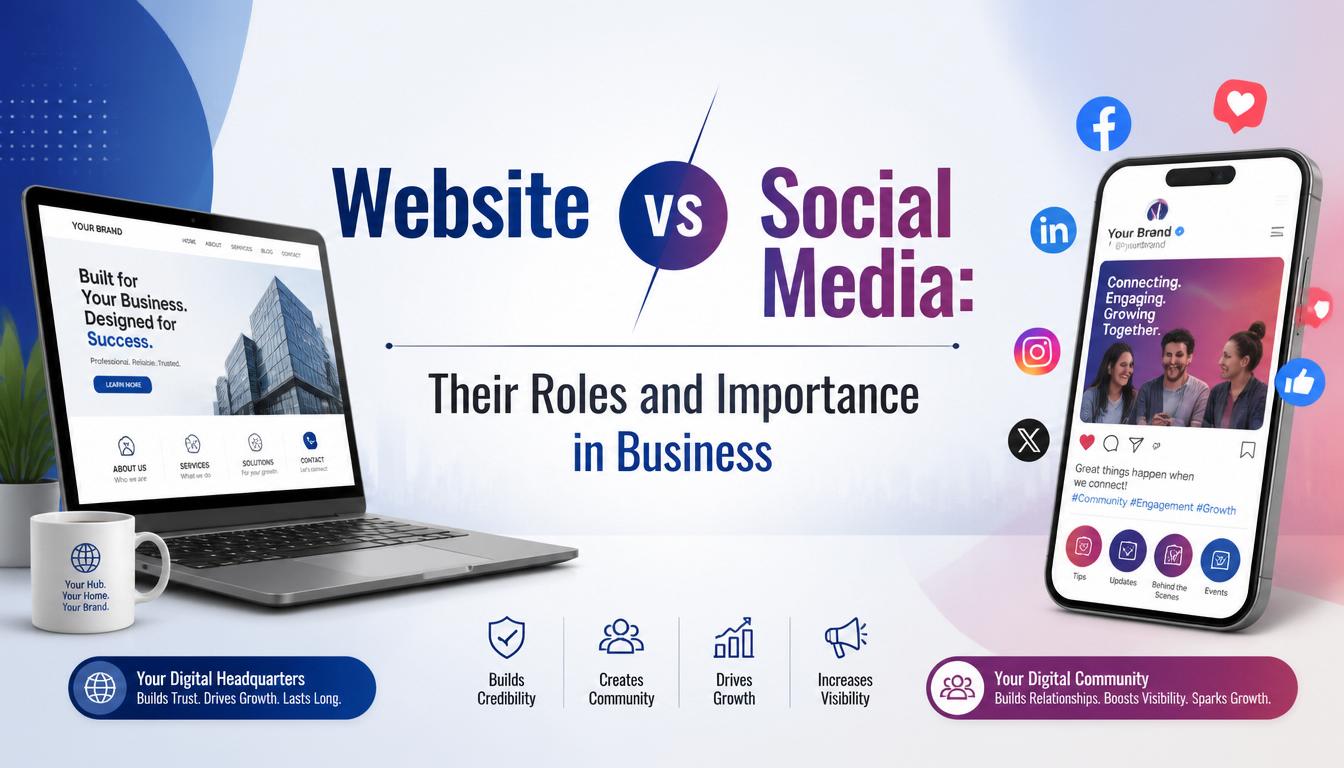
A website is your business’s official online platform. It is a digital space that you fully own and control, where customers can learn about your services, contact you, and take action.
Key Roles of a Website
- Acts as your official business identity online
- Provides detailed information about your services or products
- Builds trust and credibility
- Enables online transactions or enquiries
- Supports long-term branding and SEO
Importance of a Website
A website gives your business authority and professionalism. It shows that your business is established and serious.
Advantages of a Website
- Full control over design and content
- Long-term online presence
- Improves Google search visibility (SEO)
- Supports sales, bookings, and enquiries
- Works 24/7 without interruption
Limitation of a Website
- Requires investment to build and maintain
- Needs updates and optimization for best performance
What is Social Media?
Social media refers to platforms like Facebook, Instagram, TikTok, LinkedIn, and X (Twitter) where businesses can engage with audiences and promote content.
Key Roles of Social Media
- Builds brand awareness and visibility
- Helps engage with customers directly
- Drives traffic to your website
- Supports marketing and advertising campaigns
- Creates viral and shareable content
Importance of Social Media
Social media helps businesses connect with people quickly and emotionally. It is great for visibility, engagement, and marketing reach.
Advantages of Social Media
- Easy and free to start
- Fast audience engagement
- Great for promotions and ads
- Helps build community and trust
- High potential for viral marketing
Limitation of Social Media
- You don’t fully own the platform
- Algorithm changes affect visibility
- Limited control over audience reach
- Content has a short lifespan
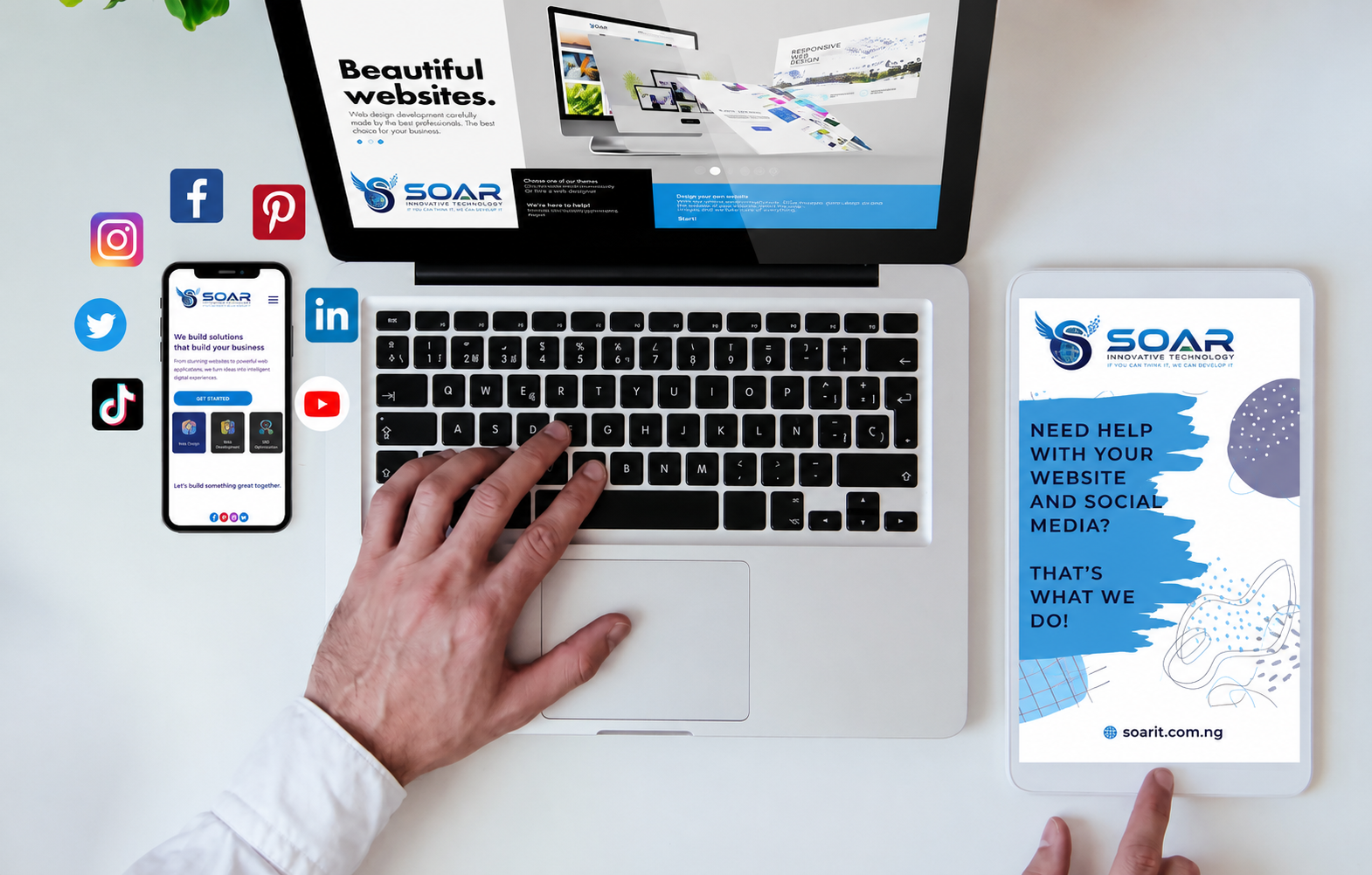
Website vs Social Media: Key Differences
1. Ownership
- Website: You fully own it
- Social Media: You are renting space on a platform
2. Purpose
- Website: Information, credibility, conversions
- Social Media: Engagement, awareness, marketing
3. Longevity
- Website: Long-term asset
- Social Media: Short-term content visibility
4. Control
- Website: Full control over design and content
- Social Media: Controlled by platform algorithms
5. Customer Journey
- Website: Converts visitors into customers
- Social Media: Attracts attention and drives traffic
How They Work Together
A successful digital strategy does not choose between website and social media—it uses both together.
Example Flow:
- Social media attracts attention
- Posts and Ads drive traffic
- Website converts visitors into customers
Why You Need Both
- Social media builds awareness
- Website builds trust and drives sales
- Together they create a complete digital ecosystem
Final Thoughts
Many business owners mistakenly believe that having active social media accounts is enough to grow their business online. However, a professional website gives you complete control over your brand, content, and customer experience. Read our article on Why Your Business Needs a Website to discover the advantages of owning a business website. You may also find Why Social Media Alone Is Not Enough for Business Growth helpful in understanding the limitations of relying solely on social platforms. If you're ready to establish a strong digital presence, explore our Website Design & Development Services.

Leave a Reply
Your email address will not be published. Required fields are marked *