Cloud computing has transformed the way businesses store data, run applications, and manage operations. From startups to large enterprises, organizations are increasingly moving to the cloud to improve flexibility, scalability, and efficiency.
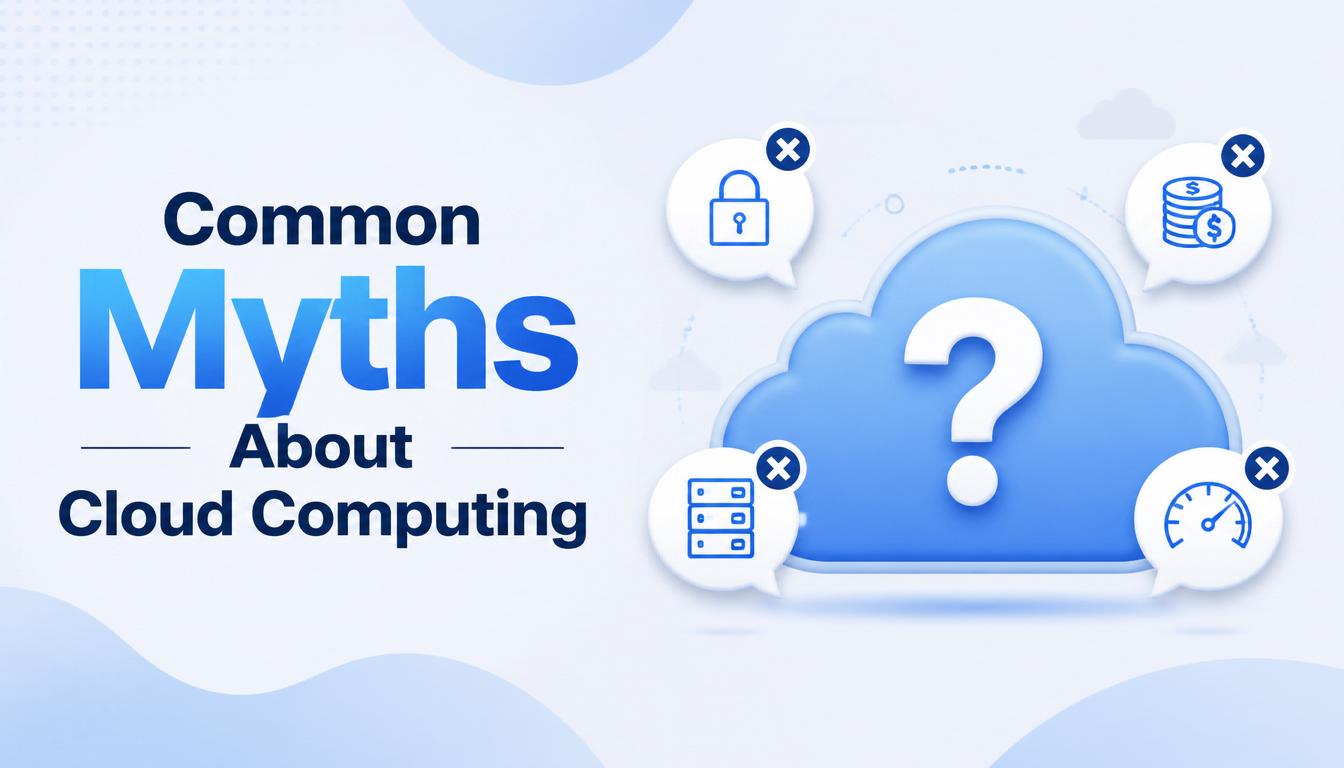
Despite its growing adoption, many misconceptions about cloud computing still exist. These myths often prevent businesses from taking advantage of cloud technology and the benefits it offers.
Cloud computing is like tap water; you only use it when you need it but [it is] available 24/7.
Enamul Haque
Let's explore some of the most common cloud computing myths and uncover the facts behind them.
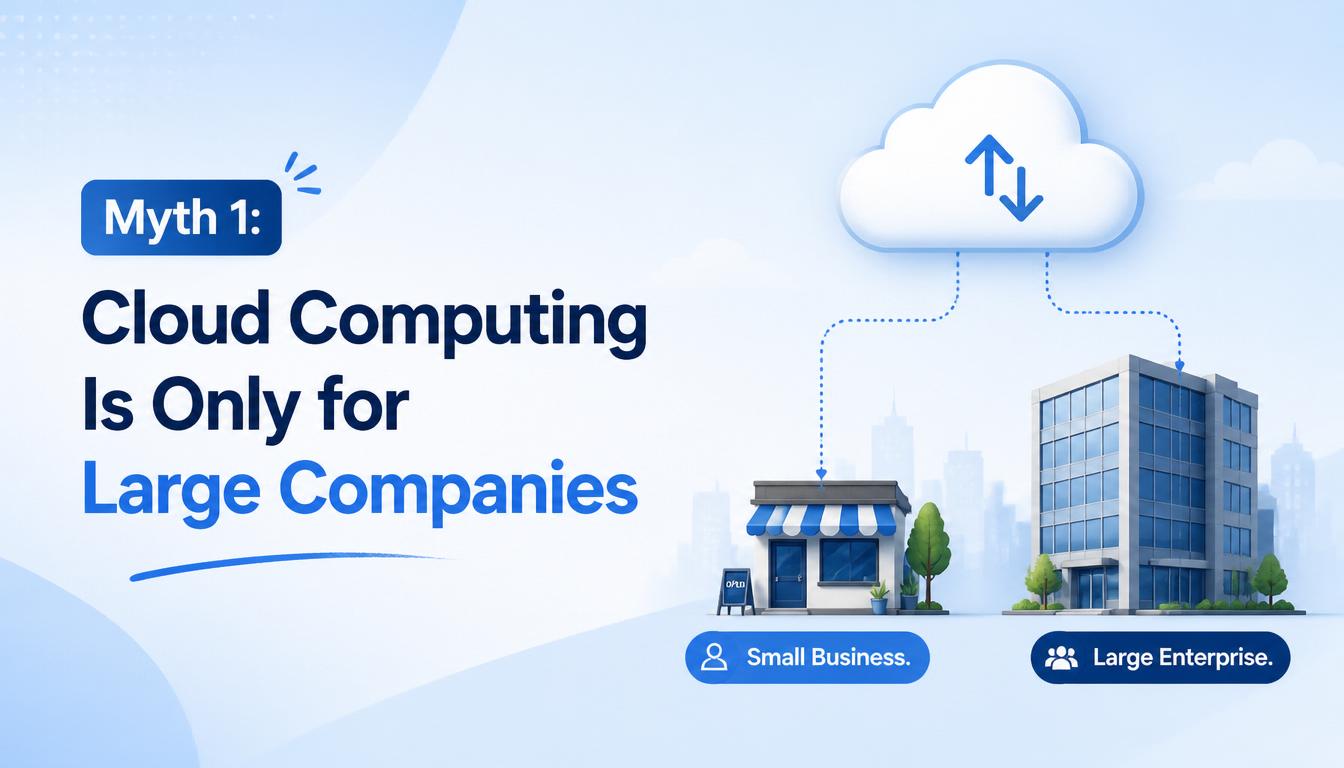
Myth 1: Cloud Computing Is Only for Large Companies
One of the most common misconceptions is that cloud computing is designed only for large corporations with significant IT budgets.
The Reality
Cloud solutions are available for businesses of all sizes. In fact, many cloud services are particularly beneficial for small and medium-sized businesses because they eliminate the need for expensive hardware and infrastructure investments.
Benefits for Small Businesses
- Lower upfront costs
- Flexible pricing models
- Easy scalability
- Access to enterprise-level technology
- Reduced IT maintenance requirements
Cloud computing allows smaller businesses to compete more effectively by providing access to powerful tools and resources.
Myth 2: Cloud Computing Is Not Secure
Many business owners worry that storing data in the cloud makes it more vulnerable to cyberattacks.
The Reality
Leading cloud service providers invest heavily in security measures, often far beyond what most businesses can afford to implement on their own.
Security Features Commonly Include
- Data encryption
- Multi-factor authentication
- Firewall protection
- Continuous monitoring
- Automatic security updates
- Disaster recovery systems
While no system is completely risk-free, reputable cloud providers typically offer robust security controls that help protect business data.
Myth 3: Cloud Computing Is Too Expensive
Some businesses assume cloud services are costly and difficult to justify financially.
The Reality
Cloud computing often reduces overall IT expenses by eliminating the need for expensive servers, hardware upgrades, and ongoing maintenance.
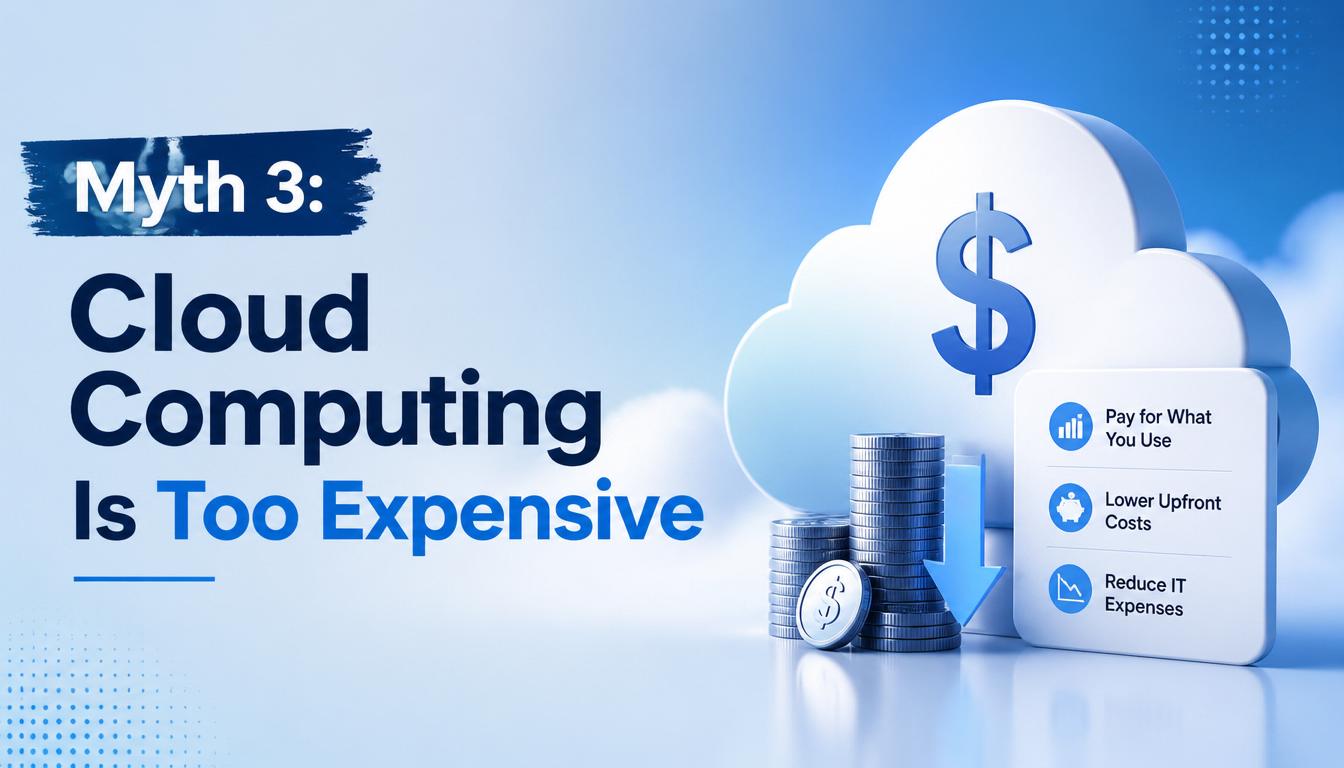
Cost Advantages
- Pay only for what you use
- Reduced infrastructure costs
- Lower maintenance expenses
- Fewer hardware replacement costs
- Improved resource efficiency
Many businesses find that cloud adoption lowers operational costs while improving performance.
Myth 4: Moving to the Cloud Is Complicated
Business owners sometimes believe cloud migration is disruptive and difficult to manage.
The Reality
While migration requires planning, modern cloud solutions offer streamlined migration processes and professional support services.
Best Practices for Cloud Migration
- Assess business needs
- Create a migration strategy
- Back up existing data
- Work with experienced IT professionals
- Train employees on new systems
With proper planning, businesses can transition smoothly to cloud environments.
Myth 5: The Cloud Means Losing Control of Your Data
Some organizations fear that moving data to the cloud means surrendering control over their information.
The Reality
Businesses maintain ownership and control of their data while benefiting from secure cloud infrastructure.
What Businesses Can Control
- User access permissions
- Security policies
- Data sharing settings
- Backup strategies
- Compliance requirements
Cloud platforms often provide more visibility and control than traditional systems.
Myth 6: Cloud Services Are Unreliable
Many people believe cloud systems experience frequent downtime and service interruptions.
The Reality
Most reputable cloud providers offer high availability and redundancy to ensure continuous service.
Reliability Features
- Multiple data centers
- Automatic failover systems
- Data replication
- Disaster recovery solutions
- Service level agreements (SLAs)
Cloud services often provide better uptime than many on-premise systems.
Myth 7: Cloud Computing Is Just Online Storage
Some businesses think cloud computing is only about storing files online.
The Reality
Cloud computing offers much more than storage.
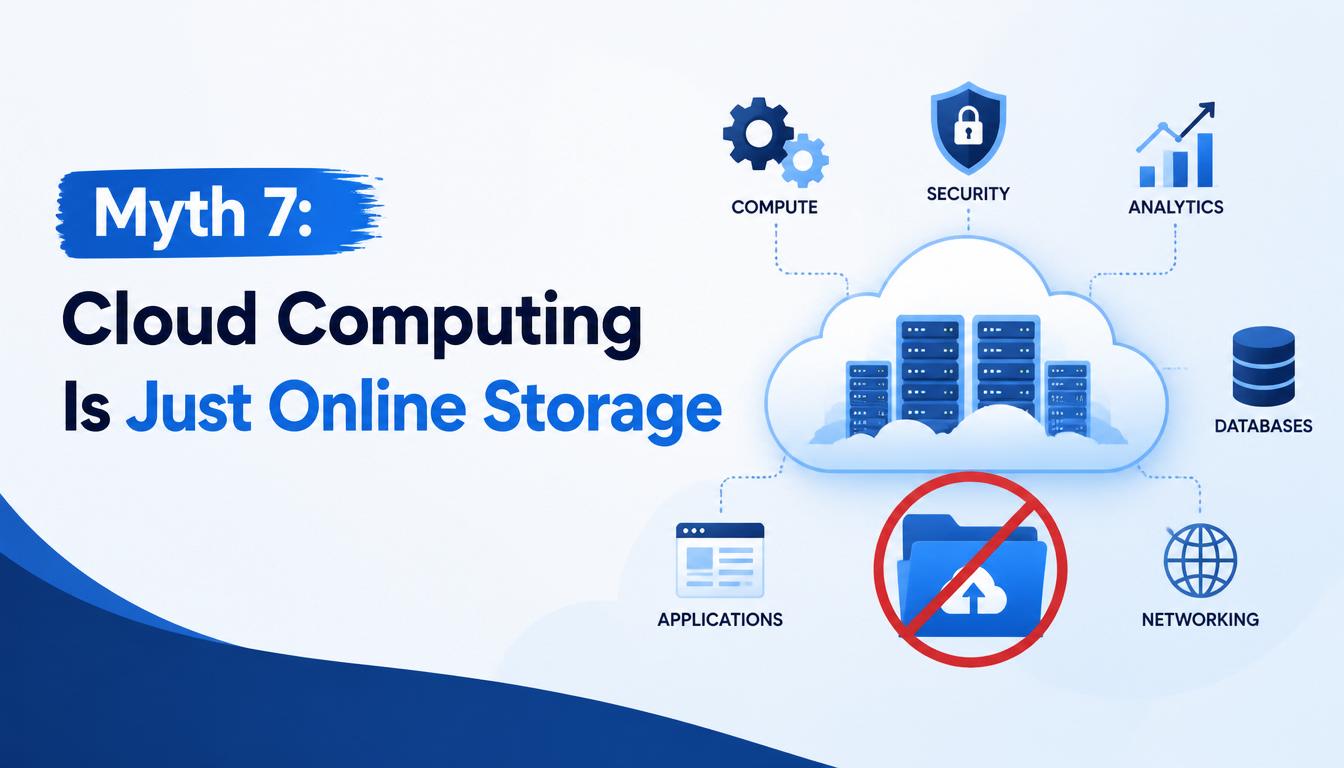
Cloud Services Can Include
- Business applications
- Software development platforms
- Data analytics tools
- Customer relationship management systems
- Collaboration platforms
- Artificial Intelligence solutions
- Backup and disaster recovery services
The cloud supports a wide range of business operations beyond simple file storage.
Myth 8: Cloud Computing Replaces IT Teams
There is a misconception that moving to the cloud eliminates the need for IT professionals.
The Reality
Cloud technology changes the role of IT teams rather than replacing them.
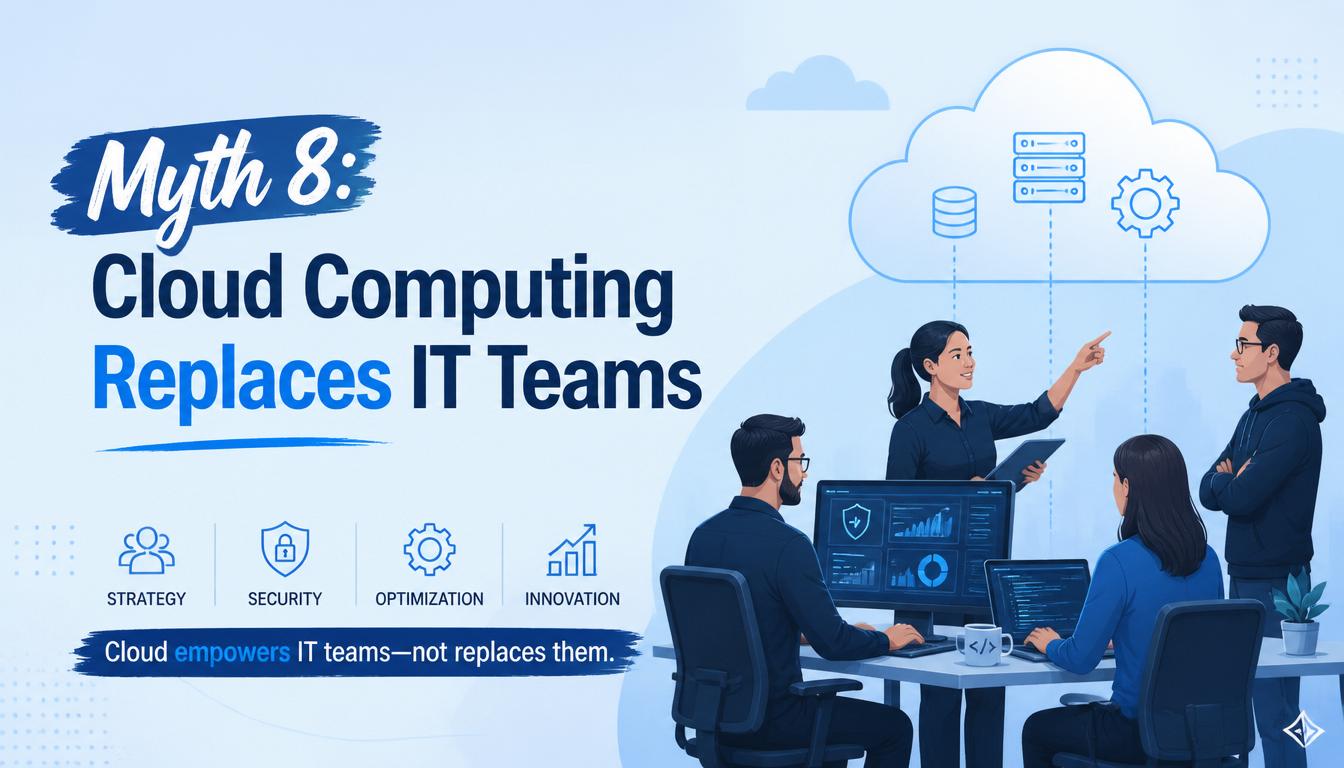
IT Teams Continue to Handle
- Security management
- User support
- System integration
- Policy implementation
- Performance monitoring
- Strategic technology planning
Cloud solutions allow IT professionals to focus more on innovation and business growth rather than routine maintenance.
Myth 9: Cloud Solutions Are Not Suitable for Regulated Industries
Some organizations believe cloud services cannot meet regulatory and compliance requirements.
The Reality
Many cloud providers offer solutions designed to support industry regulations and compliance standards.
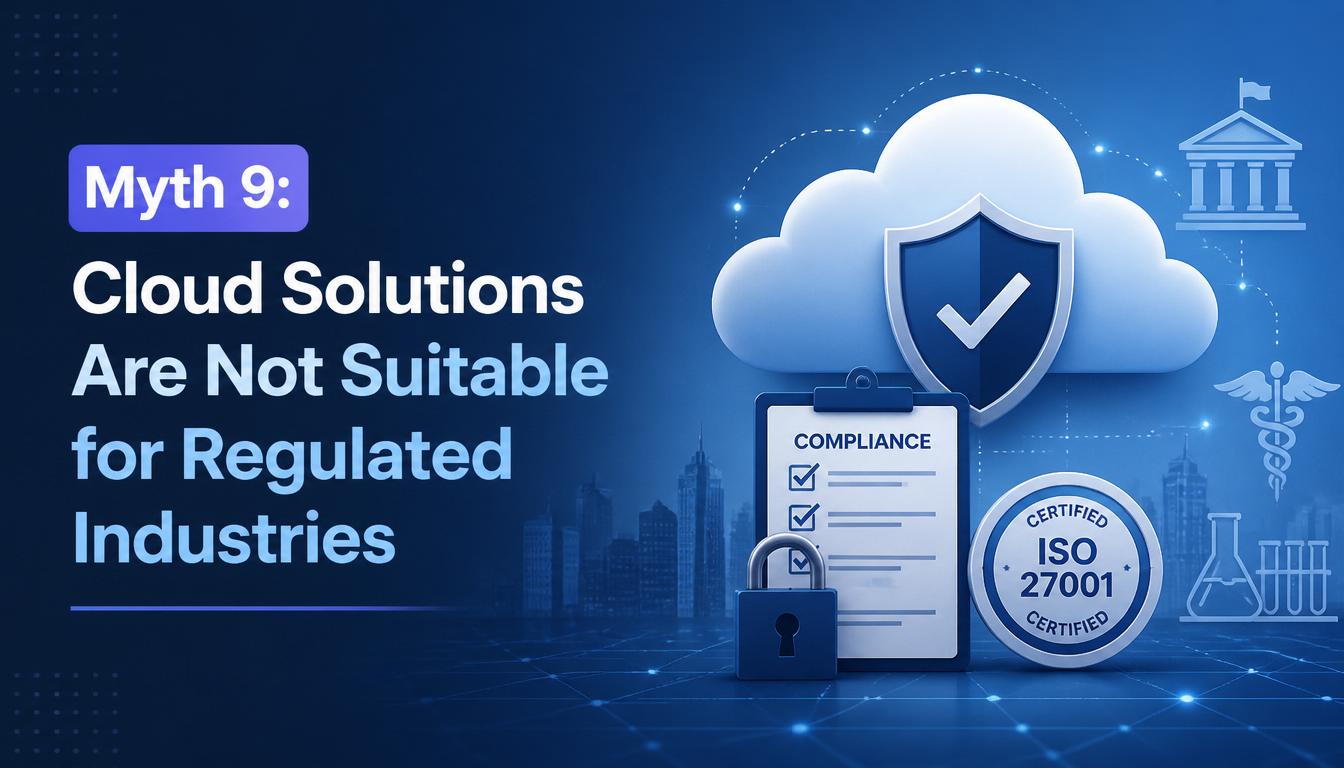
Examples Include
- Data protection requirements
- Financial compliance standards
- Educational regulations
- Healthcare security frameworks
Businesses can choose cloud services that align with their specific compliance needs.
Myth 10: Cloud Adoption Has No Business Impact
Some decision-makers view cloud computing as merely a technology trend.
The Reality
Cloud computing can have a significant impact on business performance and growth.
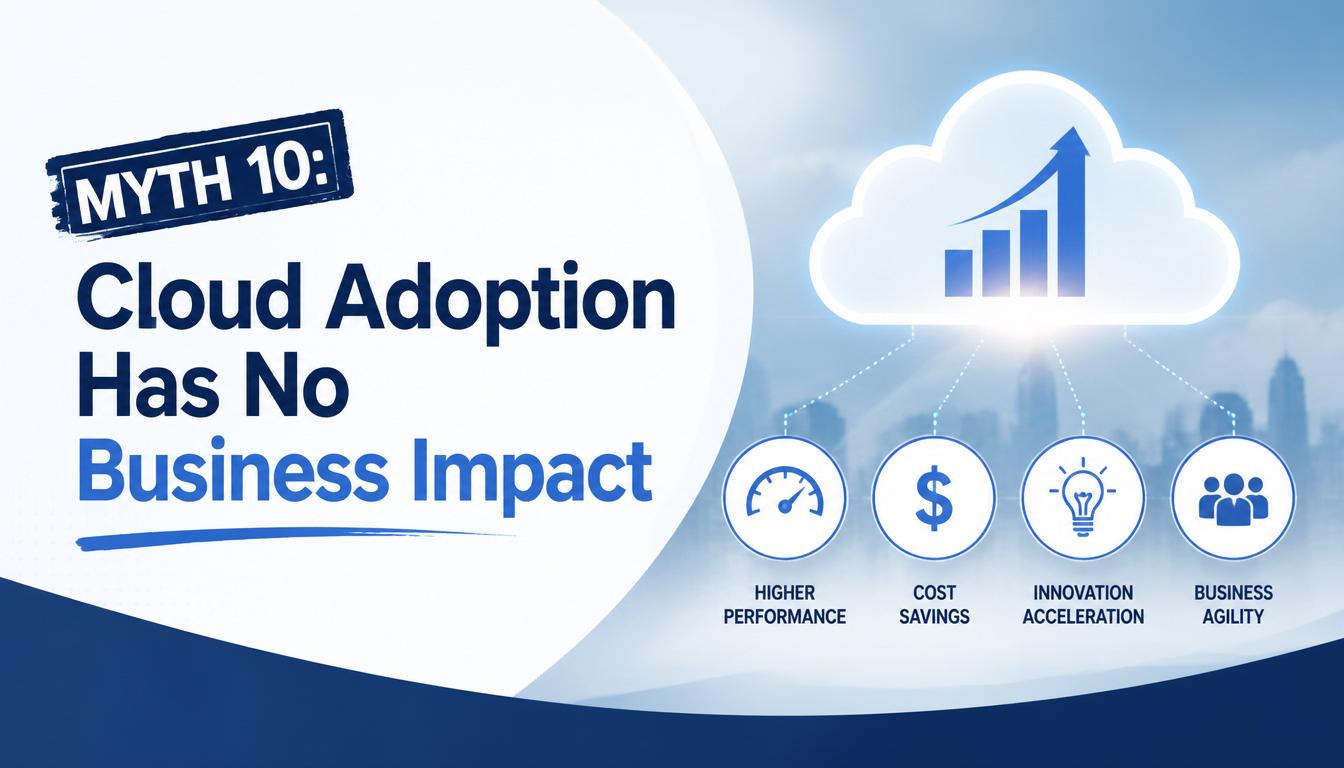
Business Benefits Include
- Improved collaboration
- Increased flexibility
- Faster deployment of services
- Better scalability
- Enhanced business continuity
- Greater operational efficiency
Cloud technology enables businesses to respond more quickly to changing market demands.
Why More Businesses Are Moving to the Cloud
Organizations are embracing cloud computing because it helps them:
- Reduce costs
- Improve security
- Increase productivity
- Support remote workSupport remote work
- Enhance collaboration
- Scale operations efficiently
- Improve disaster recovery capabilities
As digital transformation continues, cloud solutions are becoming an essential part of modern business operations.
Final Thoughts
Cloud computing is one of the most valuable technologies available to businesses today, yet misconceptions still prevent many organizations from taking full advantage of its benefits.
By understanding the facts behind these common myths, businesses can make informed decisions about adopting cloud solutions and leveraging technology to improve efficiency, security, and growth.
At SOAR IT, we help businesses implement secure, scalable, and reliable cloud solutions that support long-term success and digital transformation.
Ready to Move Your Business to the Cloud?
Discover how cloud technology can improve efficiency, reduce costs, and support business growth.
Contact SOAR IT today to learn more about our cloud computing and digital transformation solutions.
Related Resources
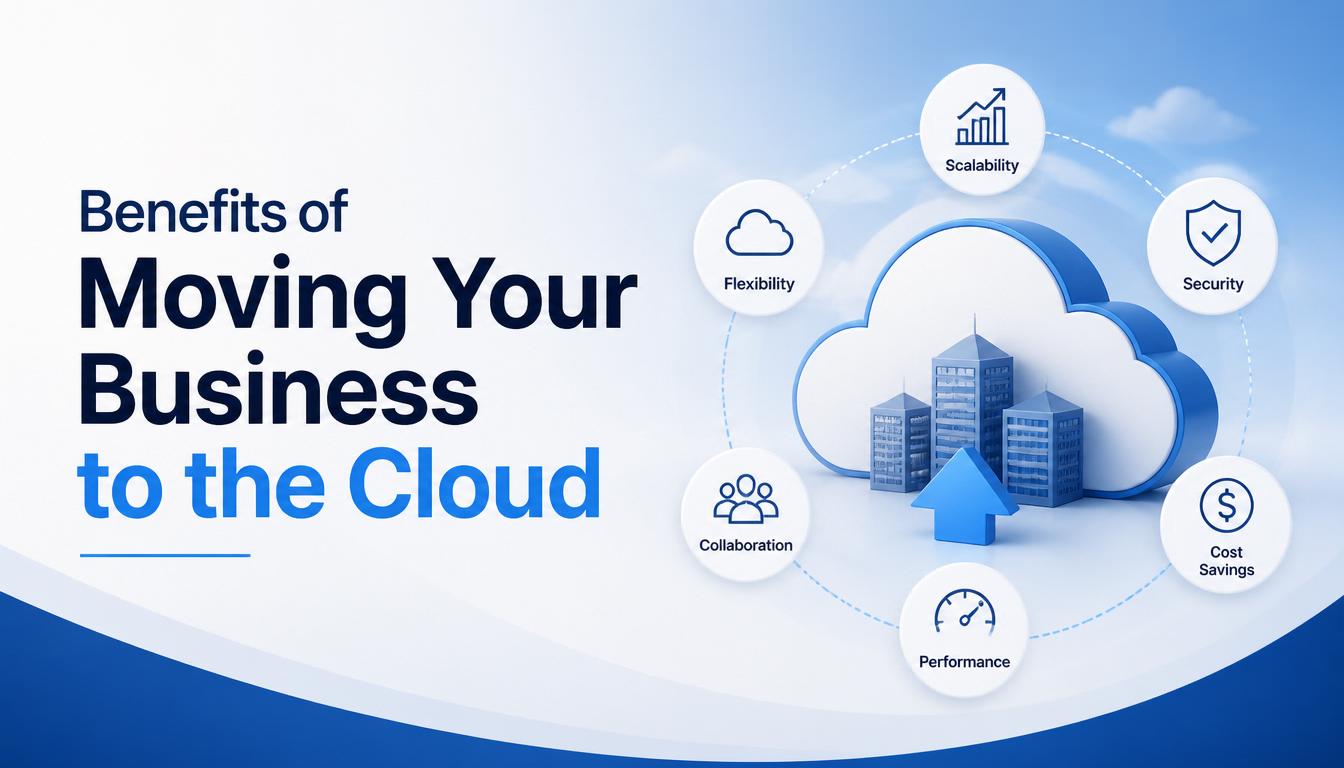
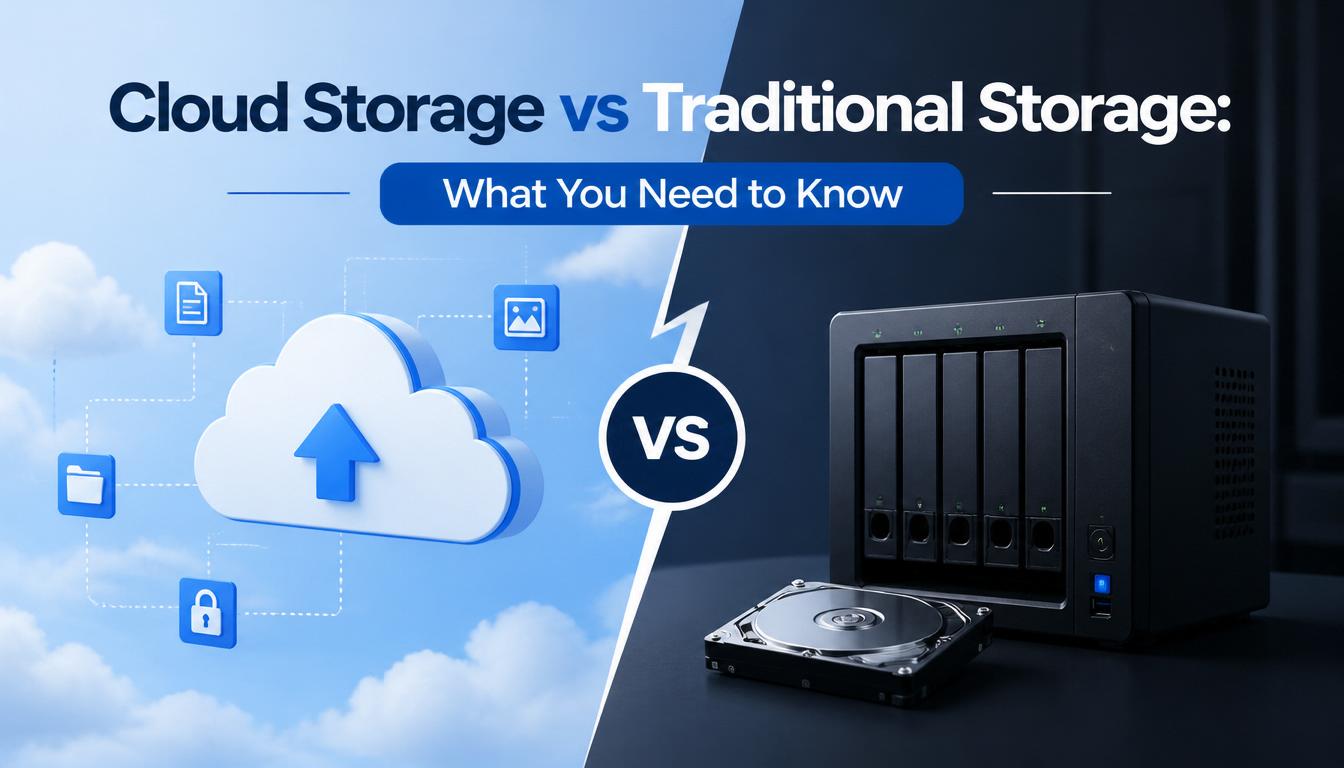
Many businesses hesitate to adopt cloud technology because of misconceptions about security, cost, and reliability. To gain a better understanding of the real advantages of cloud adoption, read our article on Benefits of Moving Your Business to the Cloud. You may also find Cloud Storage vs Traditional Storage: What You Need to Know useful when comparing modern cloud solutions with traditional storage systems. If you're ready to improve flexibility, scalability, and efficiency, explore our Cloud Solutions Services.

Leave a Reply
Your email address will not be published. Required fields are marked *