In today's fast-paced digital world, businesses need technology solutions that are flexible, secure, and capable of supporting growth. Traditional IT infrastructure often requires significant investments in hardware, maintenance, and ongoing upgrades. As a result, many organizations are turning to cloud computing as a smarter and more efficient alternative.
Cloud computing allows businesses to store data, run applications, and access resources over the internet instead of relying solely on physical servers and local systems. Whether you're a startup, small business, or large enterprise, moving to the cloud can transform how your organization operates.
It's not merely a technological shift — it's a fundamental transformation in how your business operates
Alation
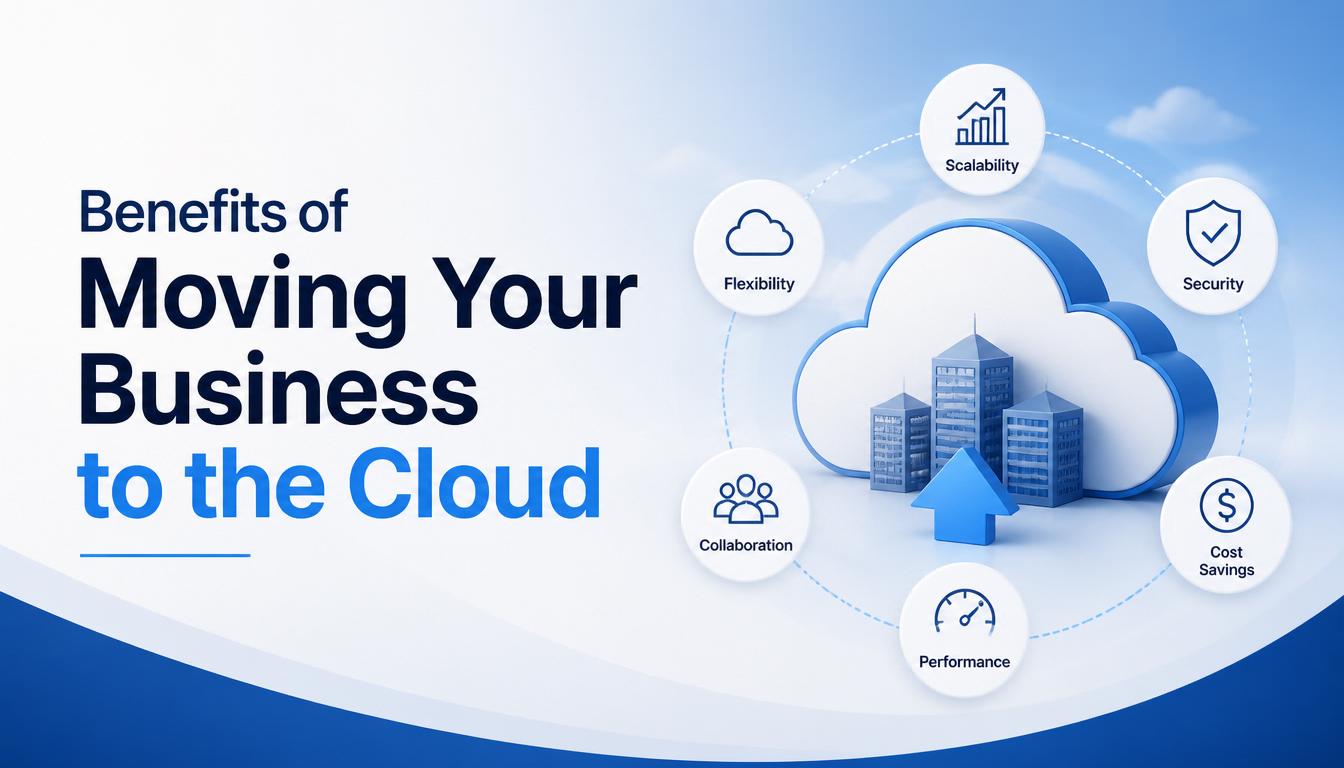
Here are some of the key benefits of moving your business to the cloud.
1. Reduced IT Costs
One of the biggest advantages of cloud computing is cost savings.
Traditional IT infrastructure requires businesses to purchase servers, networking equipment, software licenses, and backup systems. These expenses can be significant, especially for growing organizations.
How the Cloud Saves Money
- Eliminates large upfront hardware costs
- Reduces maintenance expenses
- Minimizes software upgrade costs
- Offers flexible pay-as-you-use pricing
- Lowers energy and operational expenses
Why It’s a Problem
Businesses can allocate resources more effectively while accessing enterprise-grade technology.
2. Improved Data Security
Data security is a top concern for every business.
Leading cloud service providers invest heavily in advanced security technologies to protect customer data from cyber threats.
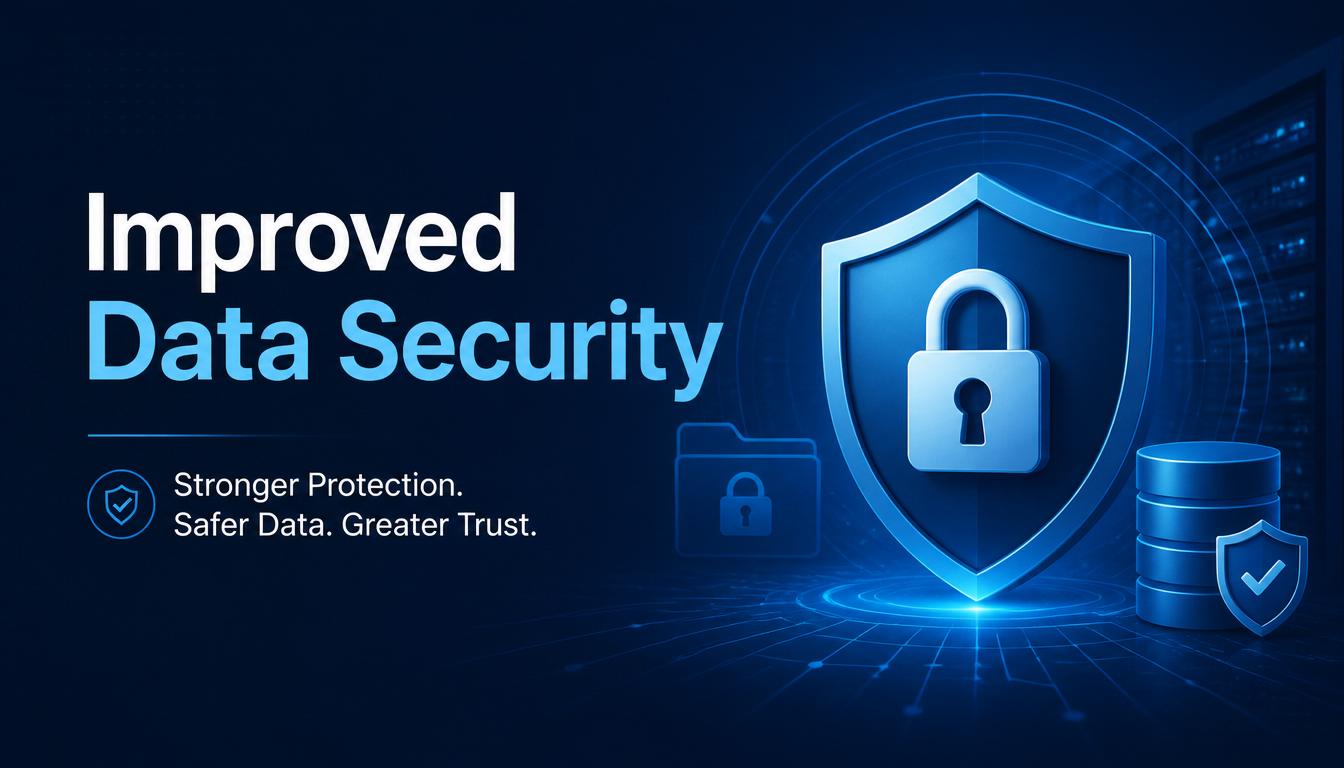
Security Features Often include
- Data encryption
- Multi-factor authentication
- Firewalls and intrusion detection
- Automated security updates
- Continuous monitoring
- Disaster recovery solutions
For many businesses, cloud providers offer stronger security measures than traditional on-premise systems.
3. Enhanced Business Flexibility
Cloud computing allows employees to access business applications and data from virtually anywhere.
Benefits include
- Support for remote work
- Access from multiple devices
- Improved workforce mobility
- Faster collaboration between teams
This flexibility enables businesses to remain productive regardless of location.
4. Easy Scalability
As businesses grow, their technology needs change.
Traditional systems often require expensive upgrades when additional resources are needed.
Cloud Scalability Benefits
- Increase storage capacity instantly
- Add new users easily
- Expand resources as needed
- Pay only for what you use
Cloud solutions allow businesses to scale operations without major infrastructure investments.
5. Better Collaboration
Modern workplaces depend on teamwork and communication.
Cloud-based tools make it easier for employees to work together in real time, regardless of location.
Collaboration Benefits
- Shared document access
- Real-time editing
- Instant file synchronization
- Improved communication
- Faster project completion
Teams can work more efficiently and remain connected across departments and locations.
6. Reliable Data Backup and Recovery
Data loss can have serious consequences for any organization.
Cloud platforms offer automated backup and recovery capabilities that help protect business information.
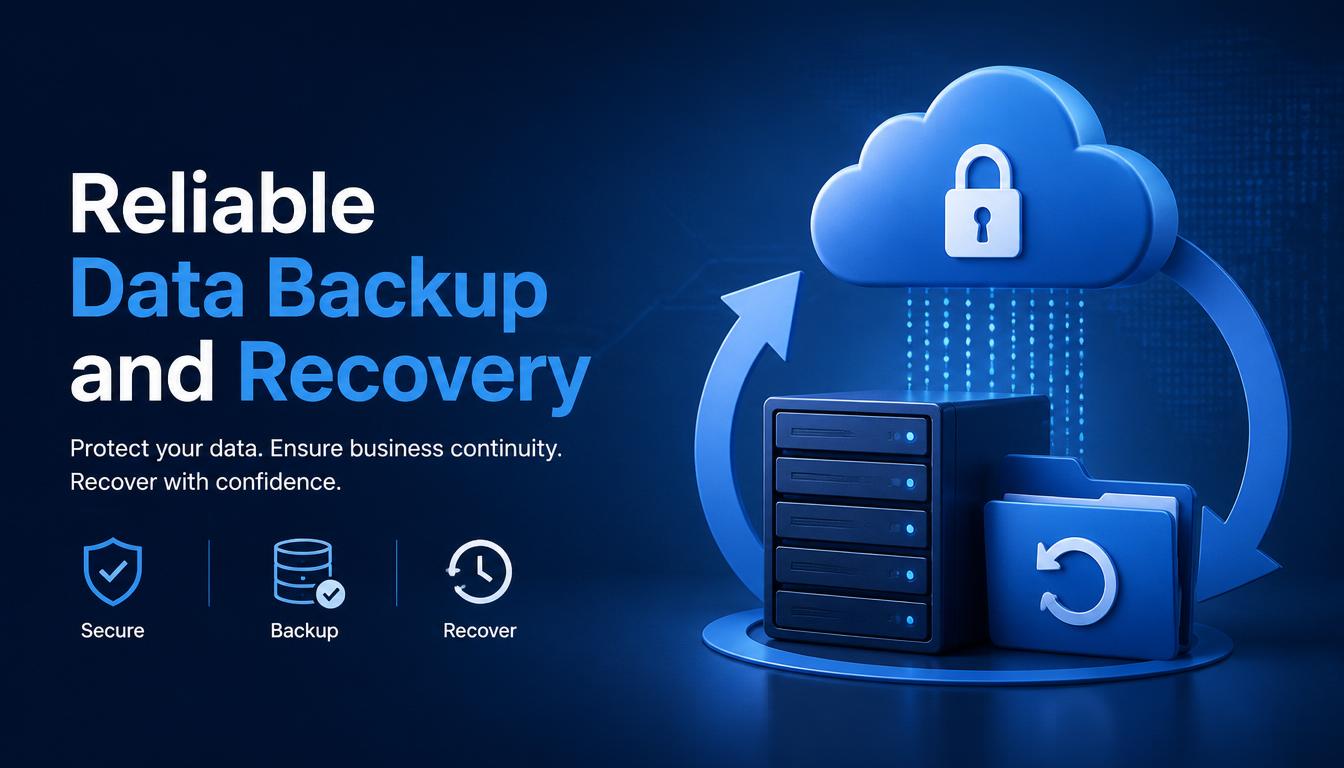
Benefits include
- Automatic backups
- Faster recovery after incidents
- Protection against hardware failure
- Reduced risk of data loss
Businesses can recover critical information quickly during emergencies.
7. Increased Productivity
Cloud solutions reduce the time employees spend dealing with technical issues and manual processes.
Productivity Improvements
- Faster access to applications
- Automated updates
- Reduced downtime
- Simplified workflows
- Improved information sharing
Employees can focus on their core responsibilities instead of managing technology challenges.
8. Improved Business Continuity
Unexpected events such as cyberattacks, hardware failures, natural disasters, or power outages can disrupt operations.
Cloud technology helps businesses maintain continuity during disruptions.
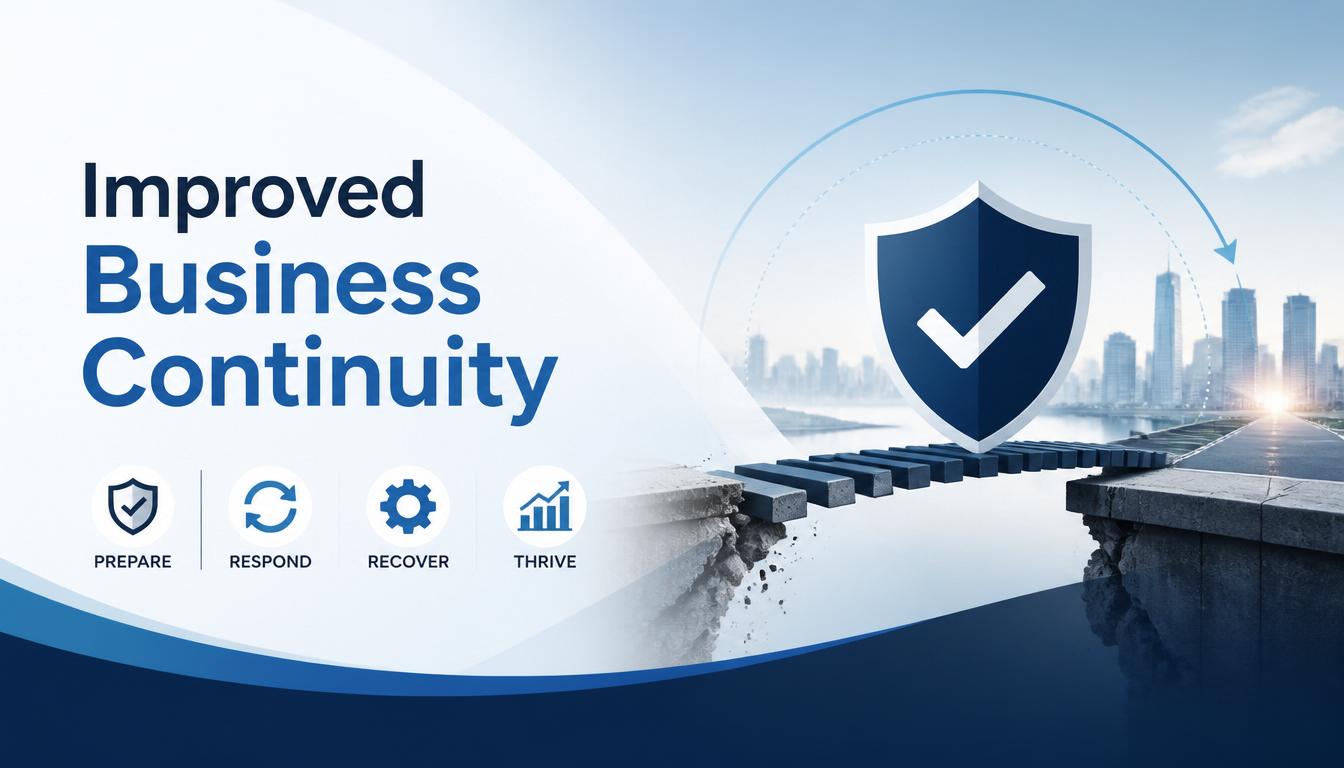
Business Continuity Benefits
- Remote access to critical systems
- Data redundancy across multiple locations
- Faster disaster recovery
- Reduced operational downtime
This helps organizations remain operational even during unexpected situations.
9. Automatic Software Updates
Keeping software updated is essential for security and performance.
Cloud providers handle updates automatically, ensuring systems remain current without disrupting business operations.
Benefits Include
- Improved security
- Access to new features
- Reduced maintenance workload
- Better system performance
Businesses can focus on growth rather than software management.
10. Competitive Advantage
Businesses that embrace cloud technology often gain an advantage over competitors relying on outdated systems.
Cloud-Powered Advantages
- Faster deployment of new services
- Better customer experiences
- Improved operational efficiency
- Enhanced innovation
- Greater agility in responding to market changes
The cloud enables organizations to adapt quickly and remain competitive in a rapidly changing business environment.
Common Business Applications of Cloud Computing
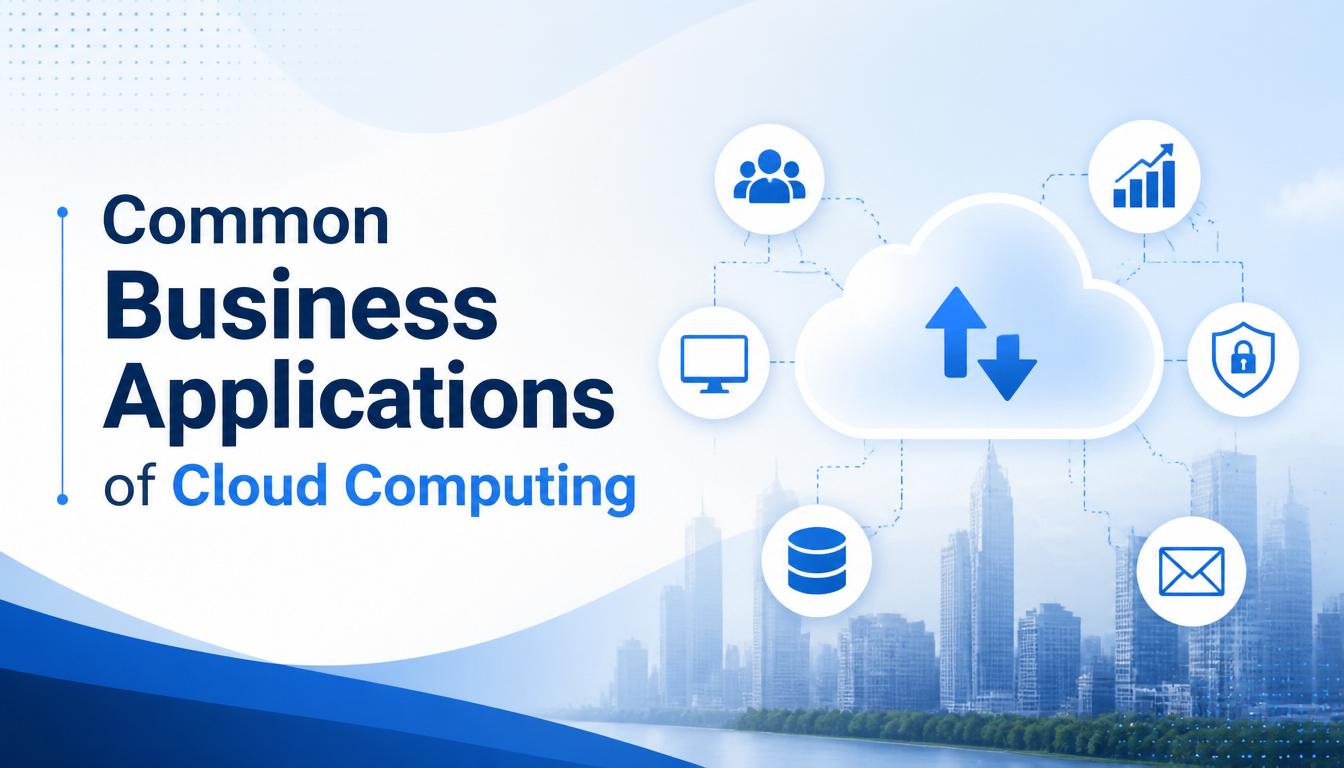
Cloud solutions can support various business functions, including:
- Customer Relationship Management (CRM)
- Accounting and Financial Management
- Inventory Management
- Human Resource Management
- Project Management
- Data Backup and Recovery
- Business Analytics
- Collaboration and Communication Tools
Organizations can choose solutions that align with their specific goals and operational needs.
Is Your Business Ready for the Cloud?
You may benefit from cloud migration if your business experiences:
- Frequent hardware issues
- Growing storage requirements
- Remote work challenges
- High IT maintenance costs
- Limited scalability
- Data backup concerns
Moving to the cloud can help solve these challenges while supporting future growth.
Final Thoughts
Cloud computing is more than just a technology trend—it is a strategic investment that helps businesses improve efficiency, security, flexibility, and scalability. By moving to the cloud, organizations can reduce costs, enhance collaboration, protect critical data, and position themselves for long-term success.
As digital transformation continues to reshape industries, cloud adoption is becoming an essential step for businesses that want to remain competitive and agile.
At SOAR IT, we help businesses implement secure and scalable cloud solutions tailored to their operational needs and growth objectives.
Ready to Move Your Business to the Cloud?
Transform the way your business operates with secure, reliable, and scalable cloud solutions.
Contact SOAR IT today to learn how our cloud services can help your business improve efficiency, security, and growth.
Related Resources
Moving to the cloud can improve flexibility, reduce infrastructure costs, and support remote work, but many businesses still have questions about security and reliability. Read our article on Common Myths About Cloud Computing to separate facts from misconceptions. You may also find Cloud Storage vs Traditional Storage: What You Need to Know helpful when evaluating the best storage approach for your organization. If you're ready to modernize your IT infrastructure, explore our Cloud Solutions Services.

Leave a Reply
Your email address will not be published. Required fields are marked *