In today’s digital economy, businesses generate massive amounts of data every day. From customer interactions and sales records to website traffic and operational performance, data has become one of the most valuable assets for modern organizations.
However, collecting data alone is not enough. The real value comes from transforming data into meaningful insights that support smarter decisions, improve efficiency, and drive measurable business impact.
Data-driven decision making allows businesses to use accurate information, analytics, and insights to guide strategies, reduce risks, and improve overall performance.
In the end you should only measure and look at the numbers that drive action, meaning that the data tells you what you should do next.
Alexander Peiniger
What is Data-Driven Decision Making?
Data-driven decision making is the process of using data analysis, business intelligence, and measurable insights to make informed business decisions instead of relying solely on assumptions or guesswork.
By analyzing trends, patterns, and performance metrics, businesses can identify opportunities, solve problems, and make strategic improvements more effectively.
Why Data Matters in Modern Business
Data helps businesses better understand customers, operations, and market trends.
Key Benefits of Data-Driven Decisions
- Improved business performance
- Better customer understanding
- Faster decision-making
- Increased operational efficiency
- Reduced business risks
- Stronger competitive advantage
Businesses that use data effectively are more likely to adapt quickly and make smarter strategic decisions.
Turning Raw Data into Valuable Insights
Raw data becomes valuable when it is properly collected, organized, analyzed, and interpreted.
Important Steps in Data Transformation
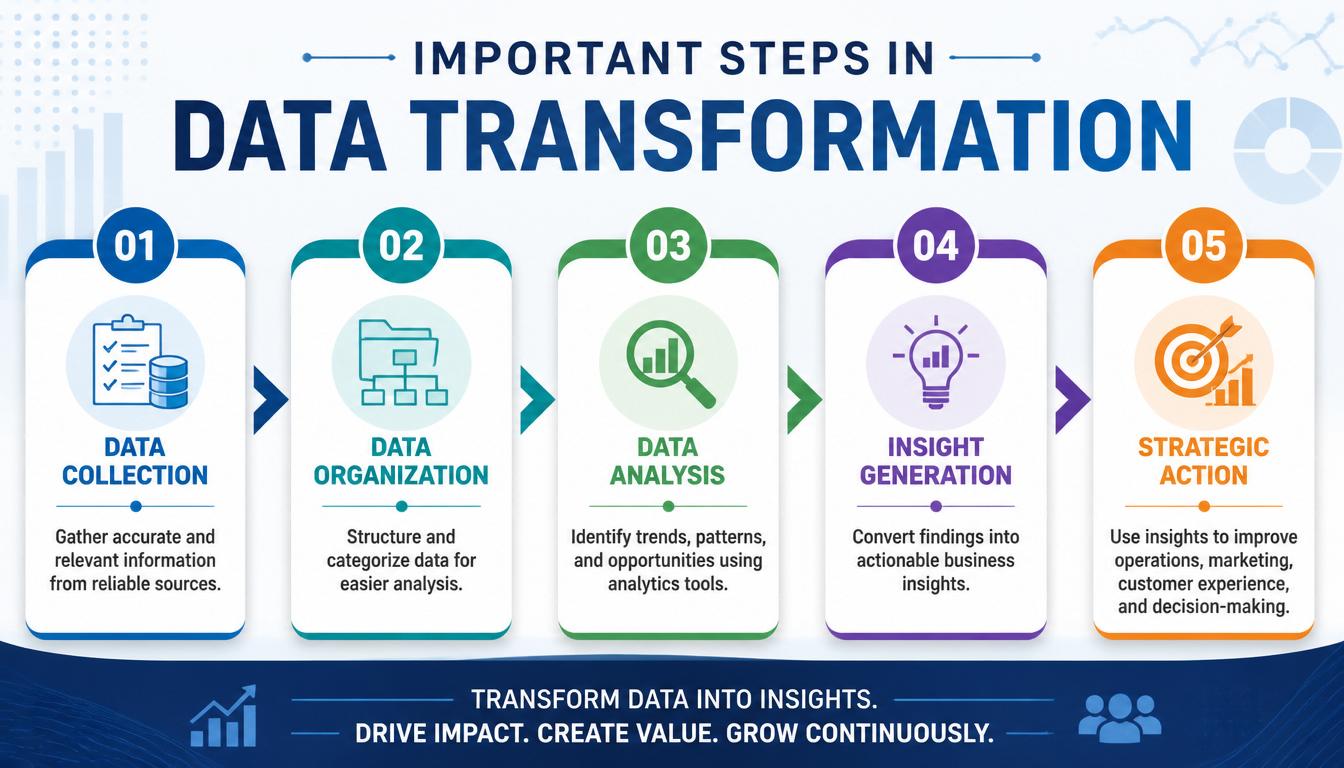
- Data Collection
- Data Organization
- Data Analysis
- Insight Generation
- Strategic Action
Gather accurate and relevant information from reliable sources.
Structure and categorize data for easier analysis.
Identify trends, patterns, and opportunities using analytics tools.
Convert findings into actionable business insights.
Use insights to improve operations, marketing, customer experience, and decision-making.
Turning data into actionable insights helps businesses create measurable impact and long-term value.
How Businesses Use Data to Drive Impact
1. Improving Customer Experience
Businesses analyze customer behavior, preferences, and feedback to provide more personalized services and improve customer satisfaction.
Examples
- Personalized recommendations
- Better customer support
- Improved communication
- Faster service delivery
Understanding customer needs helps businesses build stronger relationships and loyalty.
2. Enhancing Marketing Performance
Data helps businesses identify what marketing strategies are working and where improvements are needed.
Marketing Insights include
- Website traffic analysis
- Social media engagement
- Ad campaign performance
- Customer conversion rates
Data-driven marketing improves targeting, engagement, and return on investment (ROI).
3. Optimizing Business Operations
Operational data helps businesses improve productivity, reduce inefficiencies, and streamline processes.
Areas of Operational Improvement
- Workflow management
- Inventory control
- Resource allocation
- Employee performance
- Supply chain optimization
Better operational insights lead to improved efficiency and reduced costs.
4. Supporting Financial Decisions
Financial data analysis helps businesses make smarter budgeting, forecasting, and investment decisions.
The Role of Technology in Data-Driven Decisions
Modern technologies make it easier for businesses to collect, analyze, and interpret large amounts of data.
These technologies help businesses process information faster and make more accurate decisions.
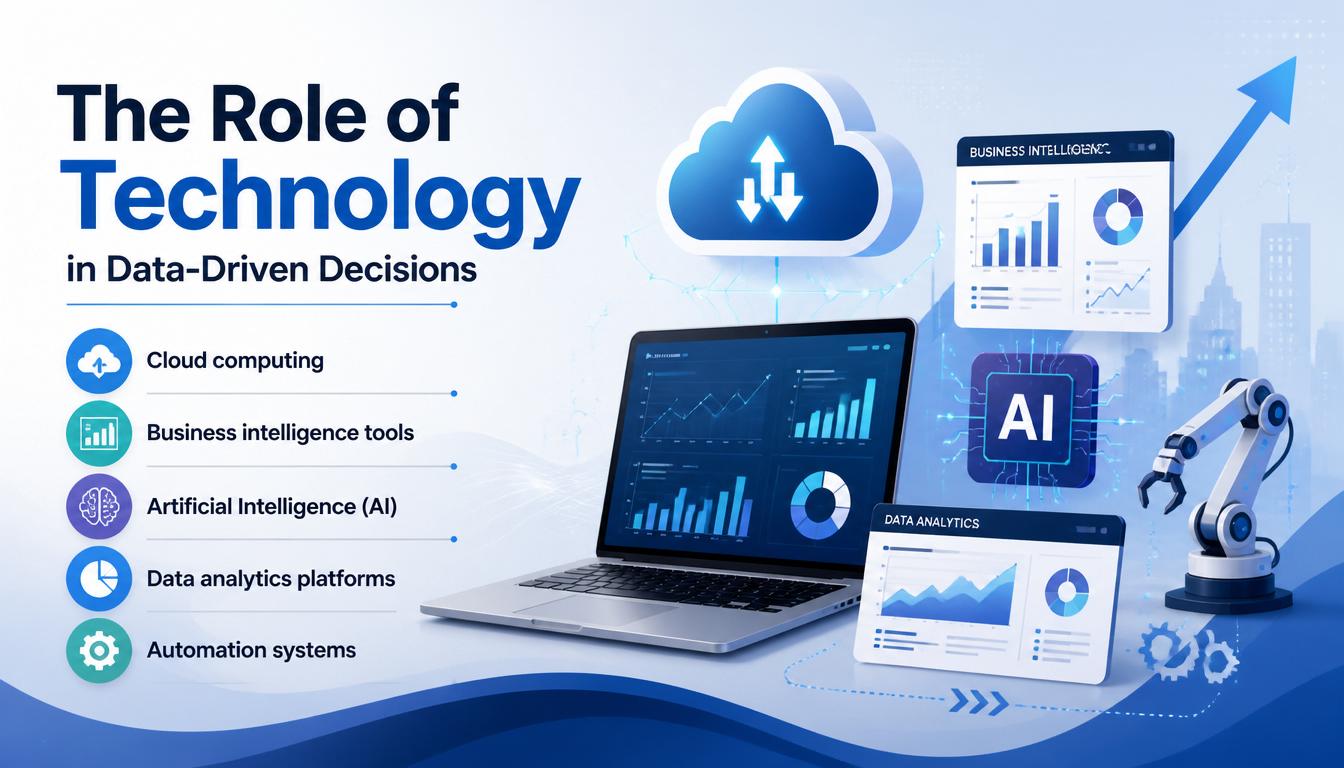
Technologies Supporting Data Analysis
- Cloud computing
- Business intelligence tools
- Artificial Intelligence (AI)
- Data analytics platforms
- Automation systems
Data improves financial planning and long-term business stability.
Challenges Businesses Face With Data
While data provides many benefits, businesses also face challenges in managing and utilizing it effectively.
Common Challenges
- Poor data quality
- Lack of proper data management
- Security concerns
- Inconsistent reporting
- Limited analytical tools
Businesses need proper systems and strategies to maximize the value of their data.
Best Practices for Data-Driven Success
Many industries require businesses to maintain accurate records and comply with regulations.
To Improve Data-Driven Decision Making:
- Collect accurate and relevant data
- Use reliable analytics tools
- Maintain data security
- Train employees on data usage
- Monitor key performance indicators (KPIs)
- Continuously review and improve processes
Consistent data management practices help businesses achieve better results and long-term success.
Final Thoughts
Data-driven decision making is transforming how businesses operate, compete, and grow. Organizations that effectively turn data into actionable insights can improve efficiency, enhance customer experiences, reduce risks, and achieve stronger business outcomes.
In a rapidly evolving digital world, businesses that embrace data-driven strategies are better positioned to make smarter decisions and create lasting impact.
At SOAR IT, we help businesses implement custom software solutions, workflow automation systems, and digital technologies that streamline operations and drive growth.
Ready to Automate Your Business Processes?
Reduce manual work, improve efficiency, and accelerate business growth with smart automation solutions.
Contact SOAR IT today to discover how automation can transform your business operations.
Related Resources
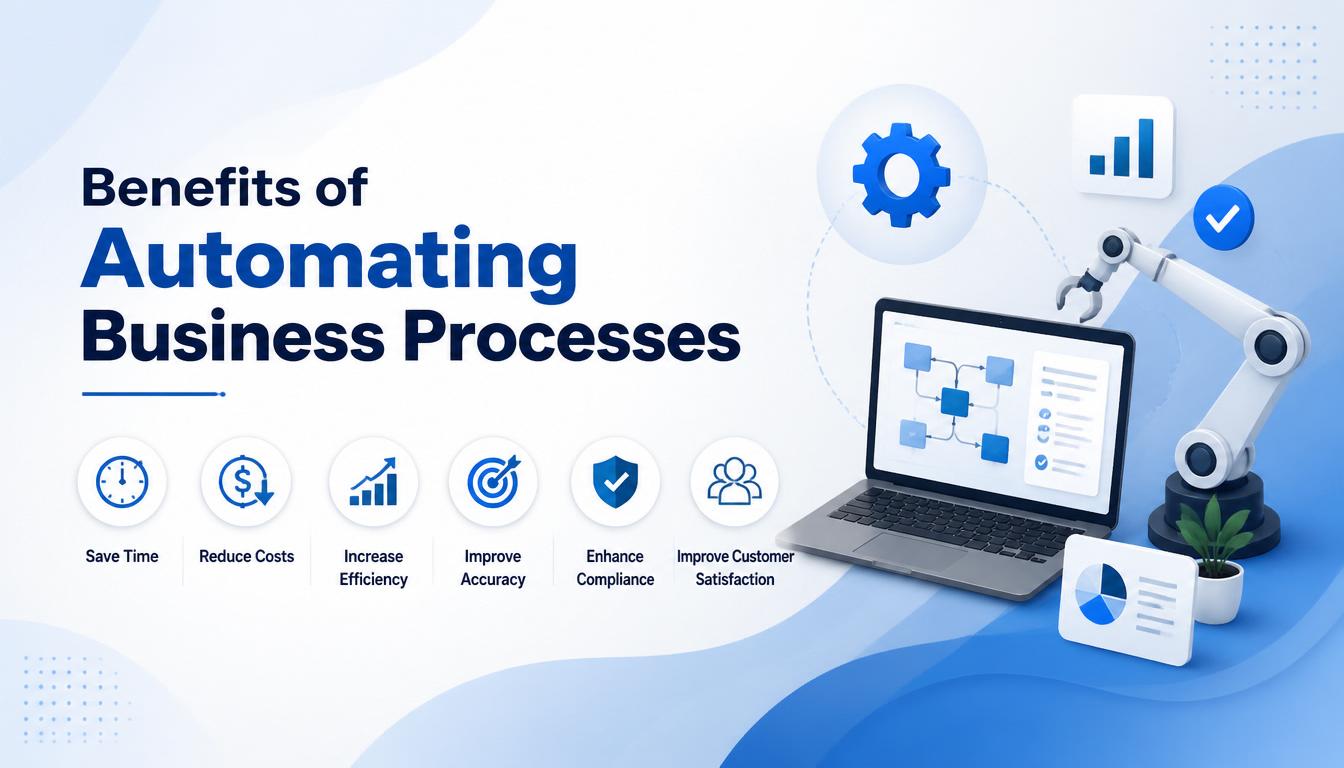
Business automation helps organizations save time and reduce manual work, but it's important to understand how automation differs from artificial intelligence. Read our article on AI and Automation: What's the Difference? to learn how these technologies can work together to improve efficiency and decision-making.
Many companies are already using advanced technologies to streamline operations and increase productivity. Explore How AI Is Transforming Business Operations to discover real-world examples of AI in modern businesses.
Automation is often implemented through software solutions designed to simplify daily tasks and workflows. Learn more in our article on How Business Software Can Improve Your Daily Operations.
If you're ready to automate repetitive tasks, improve operational efficiency, or develop custom software solutions for your business, explore our Software Development Services to see how SOAR IT can help.

Leave a Reply
Your email address will not be published. Required fields are marked *